
Drug Crimes Defense Lawyer in Pasadena, CA
Despite the evolving laws, California continues to enforce stringent penalties for drug-related crimes. These penalties can have serious implications, including a criminal record that can affect your employment, housing, and educational opportunities, underscoring the urgent need for legal representation.
Drug crimes involving the sale of methamphetamine, PCP, heroin, fentanyl, or unauthorized prescription medications like Vicodin and Oxycodone often lead to severe penalties upon conviction. State and federal statutes govern the regulation of controlled substances. Prosecutors and federal enforcement officers conduct thorough investigations and criminally charge drug traffickers, underscoring the gravity of the situation.
If you or a loved one is facing a drug offense charge in Pasadena, California, or the surrounding Los Angeles County, the criminal defense lawyers at the Hedding Law Firm are here to help.
We will guide you through the legal process, from the initial arrest to the trial, and not only listen to your story and investigate potential defenses but also fiercely protect your constitutional rights, providing you with the reassurance you need during this challenging time.
Under California law, any activity involving the illegal use of a controlled substance can be categorized as a drug offense, which is often a "wobbler" that can be prosecuted as a misdemeanor or a felony depending upon the statute that is being violated.
Typically, drug offenses involve possession, manufacturing, trafficking, transportation, sale, distribution, and prescription drugs. The severity of the criminal charges will depend on the type and amount of drugs involved, your prior criminal history, and whether it was near a school or childcare facility. Let's review the most common drug offenses below.
Possession of a Controlled Substance — Health And Safety Code 11350(a) HS
This law defines the unlawful possession of a controlled drug or substance without a prescription. You can face drug charges if you are caught in possession of drugs not prescribed to you, a fraudulent prescription, or unlawful drugs such as heroin, cocaine, ecstasy, or methamphetamine.
Simple possession convictions often carry minor penalties, such as attending a drug program. Under HS 11350(a), the most common controlled substances are as follows:
- Fentanyl derivatives.
- Stimulants like meth, ecstasy, MDMA, and cocaine.
- Hallucinogens like LSD, mescaline, and peyote.
- Synthetic cannabinoids.
- Anabolic steroids like ketamine and testosterone.
- Opium derivatives like hydrocodone, oxycodone, and codeine.
You will likely face misdemeanor charges if you are found guilty of violating HSC 11350(a). The penalties include a jail term that does not exceed one year in a county jail, and a fine that does not exceed $1,000.
Possession For Sale of a Controlled Substance — Health And Safety Code 11351 HS
You could face serious charges for possessing a controlled substance for sale under HSC 11351. The typical evidence that the prosecutor can present to prove that you are selling drugs includes:
- Large amounts of money.
- Large quantities of the controlled substances.
- No presence of drug paraphernalia.
- Weighing scales and drug packaging materials.
- Proof of controlled substance transactions, like ledgers.
- Text messages from cell phones or “burner” phones.
If a jury or judge finds you guilty of violating HSC 11351, you could face a drug offense that carries a jail term, community service, and probation.

In some cases, possessing a controlled substance for sale is charged as a felony; however, the severity of your punishment will be based on the type and quantity of the substance you possess, as well as your prior criminal record.
The prosecutor will enhance the penalties for additional weight. For example, if you possess a controlled substance for sale of more than 80 kgs, you can have an additional jail term of 25 years to your prison sentence.
Selling illegal substances to minors results in mandatory imprisonment and significant fines.
Penalties are harsher if the crime occurs near schools, parks, or other protected areas. California enforces sentencing enhancements for these crimes, and the minor's age plays a crucial role.
Other Common Drug-Related Crimes
- Drug sale or transportation (HS 11352)
- Drug manufacturing or preparation (HS 11379.6)
- Drug paraphernalia (HS 11364)
- Possess drugs while armed (HS 11370.1)
- Possession of methamphetamine (HS 11377)
- Selling methamphetamine (HS 11378)
- Transport methamphetamine (HS 11379)
- Manufacturing materials for PCP (HS 11383)
- Cultivation of peyote (HS 11363)
- Marijuana transportation (HS 11360)
- Selling marijuana to a minor (HS 11361)
- Operate vehicle with marijuana (VC 23222(b))
- Prescription fraud ((HS 11173)
- Benzodiazepines possession (HS 11375(b)(2))
- Under the influence of drugs (HS 11550)
- Operating a drug house (HS 11366)
- Drug money possession(HS 11370.6)
- Money laundering (PC 186.10)
- Money laundering drug sales (HS 11370.9)
- Synthetic stimulants (HS 11375.5)
- Sale of synthetic cannabis (HS 11357.5)
- Imitation substances (HS 109575)
Penalties for a Drug Crime Conviction
- Drug possession. The penalties for possessing controlled substances depend on the drug type, quantity, and past criminal record. Simple possession of a controlled substance can result in fines, probation, and mandatory treatment programs. Possession of substances like heroin or cocaine can escalate the charge to a felony.
- Possession with intent to distribute. Prosecutors will consider evidence, such as drug paraphernalia, packaging materials, or large quantities of drugs, to file a charge of possession with intent to distribute. Felony penalties include state prison sentences and significant fines.
- Drug manufacturing. Producing or processing illegal substances, such as meth labs, often results in a felony conviction that carries a sentence exceeding ten 10 years when prosecutors allege you conspired with others.
- Drug trafficking. A conviction for transporting or selling controlled substances, particularly across state lines, carries a lengthy state prison term, forfeiture of assets, and substantial fines. Drug trafficking can fall under the federal level of prosecution, where mandatory minimum sentences can apply.
- Possible Enhancements. The California Uniform Controlled Substances Act provides enhanced penalties based on the specific type of controlled substance involved. Schedule I and II substances, including methamphetamine and cocaine, typically carry harsher penalties than Schedule III or IV substances. Prior offenses may also result in sentencing enhancements, as well as drug crimes involving the use of violence resulting in injury, the use of a deadly weapon, or drug crimes related to gang activities.
Pasadena Drug Crime Enforcement
The Pasadena Police Department and the Los Angeles County Sheriff's Department are typically responsible for investigating drug-related offenses. Once the investigation is complete, prosecutors in Los Angeles County are responsible for filing charges and pursuing convictions.
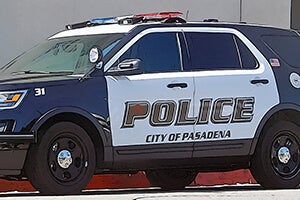
State and federal agencies might also get involved in significant trafficking cases. Investigations often include undercover operations, confidential informants, and search warrants targeting suspected drug activity, with surveillance in areas surrounding Pasadena.
After criminal charges are filed, cases are prosecuted in the Pasadena Courthouse, located at 300 East Walnut Street, Pasadena, CA 91101.
This state trial court is an L A County Superior Court with jurisdiction over cases that take place in Altadena, Arcadia, Monrovia, Pasadena, South Pasadena, and Sierra Madre.
Common Defense Strategies for Drug Crimes
If you are facing drug charges, our experienced Pasadena criminal defense attorneys will consider the facts of your case and may use some of the following common defenses.
If police violated your Fourth Amendment rights by conducting a search or seizure without probable cause or a valid warrant, any evidence they obtained may be excluded from court.

Prosecutors must prove you knew about the presence of the controlled substance. If you were unaware that drugs were in your possession or vicinity, this may be a viable defense.
For charges involving intent to sell or distribute, the prosecution must prove intent. If you did not plan to sell or distribute drugs, you can challenge these elements.
The prosecution must show that evidence was properly collected, handled, and stored. Any breaks or errors in the chain of custody may render critical evidence inadmissible.
Presenting mitigating factors such as addiction treatment, lack of criminal intent, or coercion can help reduce drug charges or sentencing for drug crime. For more information, contact the Hedding Law Firm, located in Los Angeles, CA.
Related Content:


