
Electronic Monitoring Instead of Jail in California
Electronic monitoring in California is a method used by courts and law enforcement in criminal cases to supervise individuals on home confinement or house arrest. It's a supportive alternative to imprisonment in a county jail or state prison, offering reassurance to individuals and their families.
It involves wearing an ankle bracelet that helps authorities determine whether or not the person is actually staying inside their home during specific times of the day. Electronic monitoring is usually a requirement of your probation, parole, or alternative sentencing.
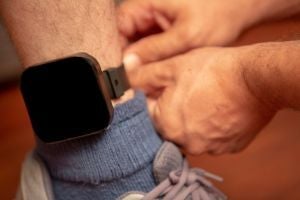
Electronic monitoring systems are also employed in cases involving alcohol and drug convictions. Specifically, SCRAM devices monitor alcohol use, and drug patches detect traces of certain controlled substances in the body.
To obtain electronic monitoring as an alternative sentence, you must be a low-risk offender who did not commit a serious, violent, or multiple crimes, or a crime that results in a state prison term.
The process involves a court hearing where the judge considers your case and decides whether electronic monitoring is a suitable alternative to imprisonment.
Suppose you violate a condition of your monitoring program. In that case, the judge can choose to ignore the violation, impose stricter electronic monitoring rules, or revoke your electronic monitoring and send you to county jail or state prison.
Key Takeaways
- Ankle monitors, or electronic monitoring devices, are tamper-resistant bracelets worn around the ankle. They utilize GPS or radio frequency technology to track a person's location and verify compliance with court-mandated restrictions. Courts employ these devices in different scenarios, including as a condition for bail, probation, parole, or house arrest.
- Ankle monitors are intended to offer supervision without the need for physical custody. This enables individuals to continue with their daily activities, such as work, school, or caring for their family. At the same time, the legal system ensures they follow certain rules, promoting a sense of support and understanding.
- These guidelines frequently involve curfews, remaining within specific areas, or steering clear of certain places or people.
- Modern electronic monitoring devices feature anti-tampering measures that immediately notify authorities upon detecting interference.
Types of Electronic Monitoring
California employs various electronic monitoring systems. These include home detention monitoring, SCRAM device use, drug patch use, and GPS (Global Positioning System) tracking.
- Home detention involves electronic monitoring, usually with an ankle bracelet and a home monitoring device. This device can be installed as long as there is a power outlet and access to either a landline or cellular signal. Some monitoring units run on radio frequencies. You are typically responsible for covering any costs related to the electronic monitoring equipment.
- The SCRAM device is a type of electronic monitoring sometimes used as a penalty for DUI offenses. "SCRAM" stands for Secure Continuous Remote Alcohol Monitor. It is a remote alcohol monitoring device that resembles an ankle bracelet but does not track your location. Instead, this bracelet continuously checks your alcohol level through your skin, not by breath or blood tests. If you drink alcohol, the device sends an alert to the monitoring agency, which then notifies the relevant criminal court.
- The Global Positioning System (GPS) is often used for electronic monitoring. A GPS device continually sends location data through commercial cellular networks. This data helps a monitoring center set up designated inclusion and exclusion zones, enabling ongoing tracking of your location. These devices are frequently used to locate and oversee parolees after their release from state prison. In California, parole laws require that all inmates released from state prison be placed under parole supervision.
- Drug patches monitor offenders by detecting illegal substances like marijuana, heroin, PCP, cocaine, and methamphetamines, and are replaced weekly. If traces are found, agencies notify law enforcement, courts, or probation officers.
Tampering with an Ankle Monitor
Tampering with or removing ankle monitors is a serious offense that can lead to your release being revoked and may result in additional felony charges. Without a knowledgeable California criminal defense attorney, you risk facing up to three extra years in prison.

Attempting to disable, damage, or remove an ankle monitor triggers an immediate and serious response from law enforcement and the justice system. These devices are equipped with anti-tampering features that activate a series of actions whenever a violation occurs.
Tampering with or removing an ankle monitor in California carries serious repercussions that should not be taken lightly.
These actions can impact your current legal case and result in additional penalties, underscoring the importance of strict adherence to the rules of conduct.
What Are the Consequences?
The consequences of tampering with or removing an ankle monitor are severe. They can include stricter conditions, financial penalties, permanent revocation of supervised release, and additional criminal charges. These consequences underscore the importance of strict adherence to the rules of conduct when under electronic monitoring:
- Stricter Conditions. If you are permitted to stay on supervised release after tampering with an ankle monitor, you will face stricter conditions. Courts may impose additional restrictions, including more frequent probation check-ins, stricter curfews, or broader geographical limitations. Sometimes, you may need to wear a more sophisticated monitoring device with improved anti-tampering features, making it more difficult to breach the release terms.
- Restitution for the Damaged Device. Ankle monitors are expensive, and tampering with or damaging them can result in financial penalties. Courts typically order individuals to pay restitution to cover the costs of repair or replacement.
- Permanent Revocation. If your supervised release is revoked due to tampering, it reflects the system's commitment to justice. Courts view tampering as a breach of trust and are unlikely to grant you another chance at supervised release after such a violation, thereby ensuring a balanced approach.
- Additional Criminal Charges. Tampering with an ankle monitor can result in new criminal charges, potentially adding more jail or prison time beyond your current sentence. These charges may include contempt of court (PC 166) and escape from custody (PC 4532).
What are the Defense Strategies?
Facing an accusation of tampering with an ankle monitor calls for a strategic legal approach. Our California criminal defense lawyers will thoroughly evaluate the details of your case and develop a tailored defense to minimize potential penalties.
If the monitor was accidentally damaged, malfunctioned due to a technical issue, or was removed for a legitimate medical emergency, you might argue that your actions were not "willful."

We could examine the device's functionality, review the monitoring company's records for errors, and verify whether the tamper alert was valid.
Suppose you removed the device due to extraordinary circumstances that prevented you from following your release conditions. In that case, we may be willing to negotiate altered terms or a reduced penalty, especially if no other crime occurred while the monitor was off.
We may investigate the device's functionality, review the monitoring company's records for inaccuracies, and question whether the tamper alert was legitimate.
Suppose you removed the device due to extenuating circumstances that made it impossible to keep the terms of your release. In that case, we may use this as a basis to negotiate modified terms or a lesser penalty, particularly if no other crime was committed while the monitor was off. For more information, contact the Hedding Law Firm, located in Los Angeles, CA.
Related Content:


